

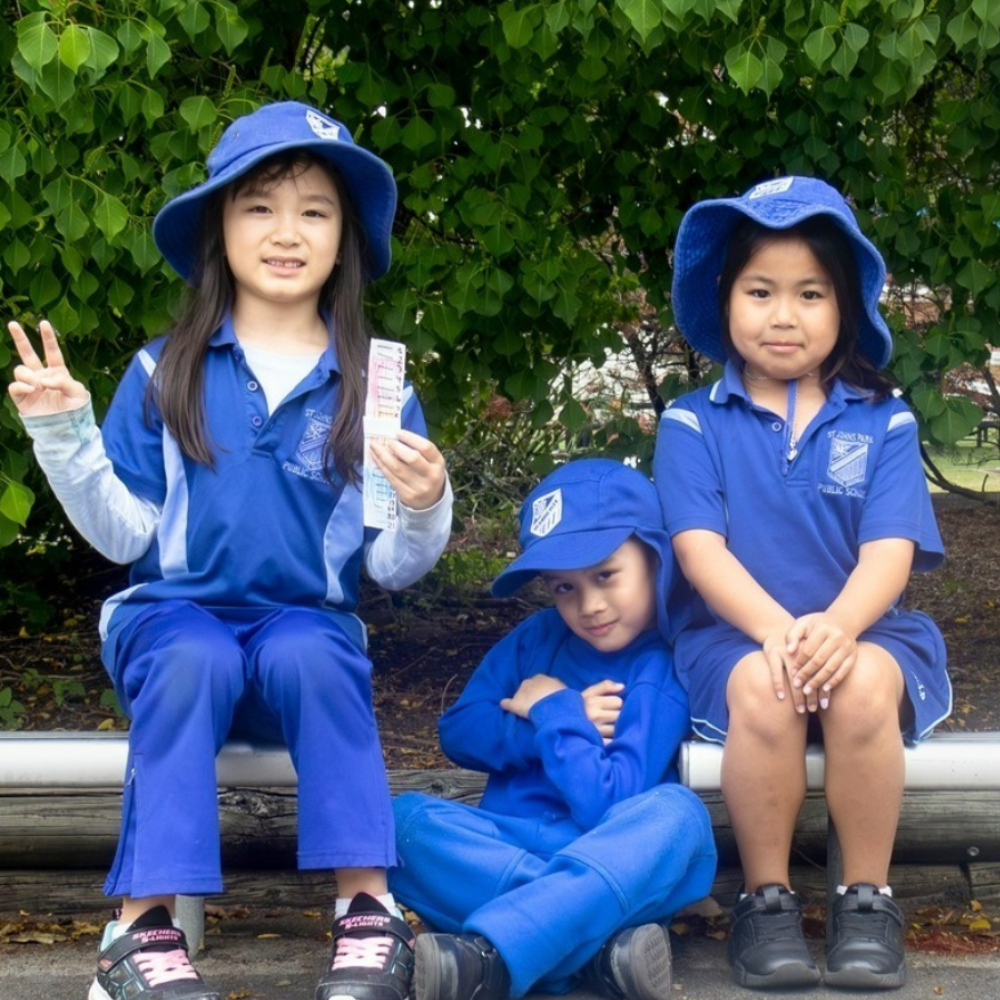
Starting kindergarten is an exciting milestone, but it can also bring feelings of separation anxiety for both parents and children. New routines, unfamiliar environments and time apart can feel overwhelming at first, and that’s completely normal.
On the night before starting kindergarten, many families notice a mix of excitement and nervousness. In those moments, reassurance, warmth and calm connection can help children feel supported and prepared. Simple, affirming messages can help children head into their first day carrying confidence, emotional awareness and a sense of inner strength, knowing they have what they need to face new experiences, build friendships and manage challenges.
How separation anxiety can show up
Children respond differently to separation. Some common examples include:
- Clinging and crying at drop-off
A child may cling tightly to their parent, cry loudly or refuse to let go when it’s time to separate at preschool or childcare. - Persistent worry about a parent’s return
Some children repeatedly ask questions such as “Will you come back?” or express fears that their parent might not return or could get hurt. - Emotional outbursts when reunited
After a parent returns, a child may burst into tears or become overly clingy, even if they were calm during the day. - Calm and confident separation
Not all children struggle. Some happily wave goodbye and join an activity without distress, showing that time apart can be a positive experience.
Separation anxiety is common in preschoolers and kindergarteners, and learning to be apart is a skill that develops over time and with practice.
Practical strategies to support a smooth transition
Here are some practical strategies to help make the transition smoother if your child is experiencing separation anxiety:
Prepare your child ahead of time
Before the first day, talk with your child about their new school, including where they will go, who they will meet and what the day might look like. Allow them to observe other children without pressure to join in. If possible, make several short visits and gradually increase the time spent there.
Explain where you’re going and when you’ll return
On the day, calmly explain where you are going and when you will be back. Linking your return to something familiar can help, such as: “I’ll pick you up after lunchtime.”
Create a consistent goodbye routine
Develop a simple, predictable goodbye routine. This might include greeting the educator, connecting with other children, helping your child settle into an activity, and then saying goodbye with a hug or kiss. Let your child know you will be leaving after saying goodbye, even if it feels difficult in the moment.
Try a “Kissing Hand” ritual
Inspired by the children’s book The Kissing Hand, this ritual can provide comfort. Kiss the inside of your child’s palm before drop-off and explain that whenever they feel lonely, they can press their hand to their cheek and remember they are loved. A small heart or sticker on the palm can also act as a reminder.
Offer comfort items
Familiar items can provide reassurance in new environments. Depending on what the service allows, these may include:
- A favourite soft toy or blanket
- A small personal item belonging to a parent, such as a key ring or scarf
- A familiar scent lightly sprayed on a comfort item or handkerchief
- A small family photo tucked into a backpack or lunchbox
- A short, encouraging note placed in a pocket or lunchbox
Stay calm and confident with the “Invisible String”
Children take emotional cues from adults, so calm and confident goodbyes are important. One helpful concept comes from Patrice Karst’s book The Invisible String, which explains that people who love each other are always connected by an invisible string made of love.
Before saying goodbye, families can explain that even when they can’t see each other, they remain connected. This simple metaphor can reassure children that love and connection continue throughout the day, helping reduce anxiety and support emotional resilience.
Praise and reinforce positive steps
Recognising and reinforcing small steps can help build confidence and resilience. Celebrate efforts such as saying goodbye calmly, trying a new activity or settling in independently. Warm, specific encouragement helps children understand what they are doing well, for example:
- “You did a great job saying goodbye today.”
- “You were very brave joining your friends.”
- “You found something fun to do all by yourself.”
- “You remembered our goodbye steps. Well done!”
Positive reinforcement can be as simple as spending special time together, sharing a favourite activity after the day, or offering gentle praise and reassurance. These moments of connection help children feel proud of their efforts and supported as they grow in confidence.
Building resilience for life
Separation is not just about saying goodbye, it is about helping children build inner strength for life. Every reassuring word, calm goodbye and consistent routine supports resilience, confidence and independence. These skills help children not only on their first day of kindergarten, but throughout their learning journey and beyond.
If you would like to keep building these foundations, consider joining one of our programs for parents. These programs offer practical strategies to support children’s emotional wellbeing at every stage of development, helping families raise confident, capable children ready to thrive.
References:
Triple P – Positive Parenting Program. Preschoolers Separation Problems Tip Sheet. The University of Queensland.
Penn, Audrey. The Kissing Hand. Illustrated by Ruth E. Harper and Nancy M. Leak. Child Welfare League of America, 1993. https://youtu.be/dPUW1t9Gu4s
Karst, Patrice. The Invisible String. DeVorss Publications, 2000. https://youtu.be/p-0nmNlyblk