
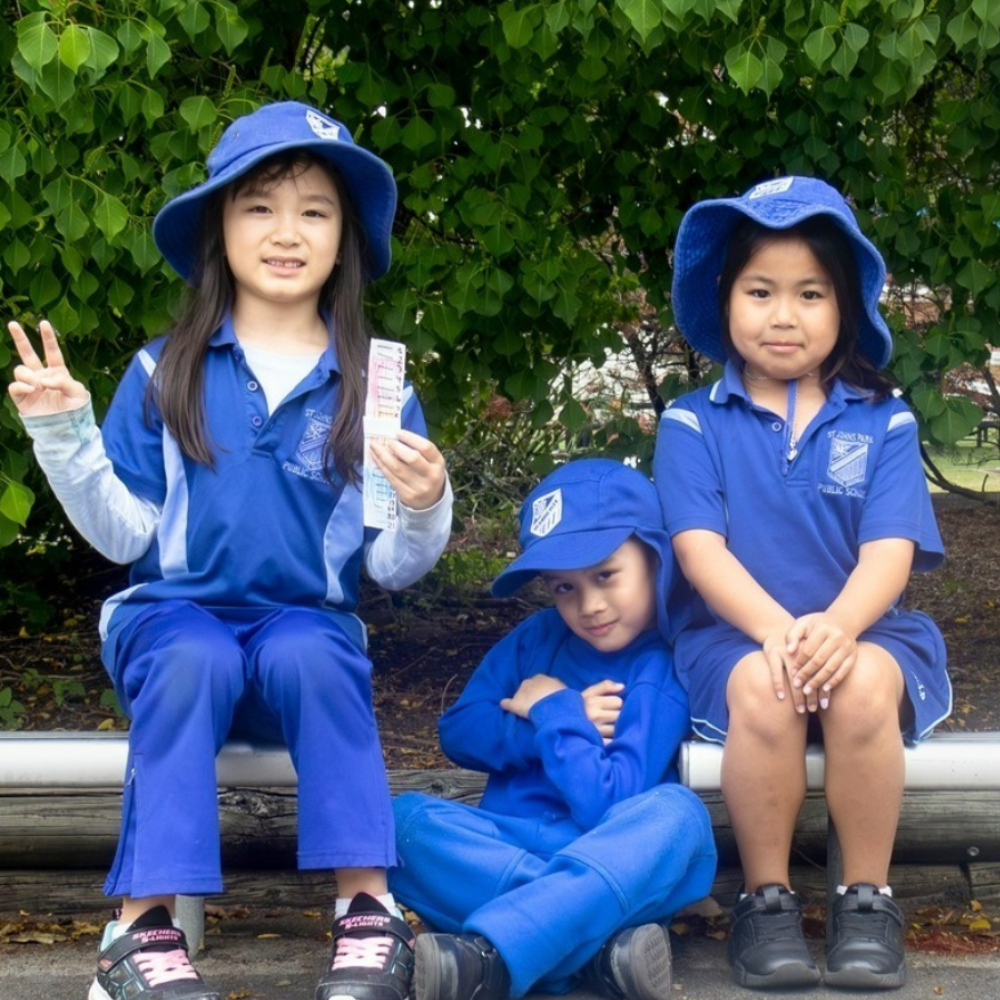
Starting school is a big milestone for children, often met by a range of mixed emotions, including excitement, curiosity, nervousness, and fear. But this transition isn’t just for kids; parents are going through a change too. New routines are introduced, new uniforms to keep clean, new lunches to make, and new teachers to meet.
This change doesn’t have to be abrupt; whether that’s introducing small changes to your routine or taking part in school readiness programs, the transition can be smooth. Steps can be taken ahead of time to ensure that you and your child are ready for this new chapter together.
Helping your child get ready for school
Bit by bit, introducing new elements into your already existing routine can help ease your little one into kindergarten.
This can look like setting earlier morning wake-up times and allowing your school starter to practise getting up, getting dressed, having breakfast, and even packing his own bag for the day.
Get comfortable with your route; whether you’ll walk, drive, or take public transport, travel to school together before the term starts so that they are familiar with the route.
You can also create a visual routine chart that will teach them how the days and weeks will look. It can include what time you will leave home, when school starts, and what time it finishes.
Encourage your child to build skills in independence, like using the toilet, opening and closing their lunchbox, putting on their shoes, and putting on sunscreen. Remember to praise them for their success and gently have them correct any mistake. What seems like a small task is a big win when it’s your first time.
Explain what a teacher does and how they support children’s learning and wellbeing. Let them know they can go to the teacher if they feel unwell or unsafe.
Social and Emotional Readiness
A new environment means learning to be in that environment. Talk to your child about what it means to be in a shared space like a classroom. Whether it’s learning to share and take turns or cleaning up after yourself, these are little skills that can help your child make friends and be part of a space that is inviting.
Reading books or going over school starter information together can also spark conversation and help them verbalise any feelings they are having – whether that be excitement or worries.
Remind them of the positives that come from starting school: the friends they will make, the new subjects they will learn, and even how learning a little about a lot can help them decide what they want to do when they’re older.
Starting school is a big milestone for everybody; don’t be afraid to let your child know that this is new for you too, regardless of if you have other children in school already – it’s their first time, and it will be your first time doing this with them. Let them know how you’re feeling; if you have older children, share stories about their first time starting school or even your first day – it may feel like a world away, but reflection gives us the chance to move forward with confidence.
Making the first day a positive experience
After all the practice, the big day has arrived. It’s always best to make the lead-up as positive as possible, especially the morning of. Have a calm breakfast together, ask them questions, and before you leave, remind them that you’ll pick them up at the set time. Some children may cry, but this is normal, and you can even give them a token or symbol of your care – something they can look at or hold if they feel sad.
For Parents: Stay Connected & Seek Support
If you can, attend orientation days or parent information sessions. Build a connection with their teachers early on and get involved as best as you can, through volunteering, attending assemblies, or school events.
If your child is struggling to go to school, whether they are reluctant to go, tired, or just have big emotions about this change, you can always talk to their teacher or a school counsellor because change affects everybody in different ways, yourself included and seeking help early can make the adjustment smoother.
School Readiness Programs
Programs like Big School, Big Mind (BSBM) can assist you in supporting your child’s learning and development at home, understanding and responding to their emotional needs, build your confidence and resilience as a parent, and prepare for a smooth, positive transition to kindergarten.
For your child, to help them feel confident and excited about starting school, they learn to build early literacy and numeracy skills while strengthening their speech, language and communication, developing focus, independence and classroom confidence, learn to follow instructions and daily routines, build friendship skills, and learn to manage big feelings.
Remember, it’s a journey you’ll take together as you take part in shared activities that support emotional regulation, learn strategies to support your child’s readiness for school, and ultimately connect with other families who are preparing for the same transition.
Explore our School Readiness Programs for a smooth transition into Kindergarten, or find out more about our Outside of School Hours Care services (OSHC) for primary school children.